Gadi Font: Handwritten Charm for Editorial Design
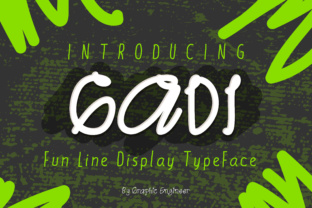
Gadi is a fun, line display typeface that is handwritten and charming. As a font designed for editorial use, Gadi brings a casual flair to any project where personality and visual appeal matter most. Whether you're designing a blog header, crafting a magazine cover, or creating a printable guide, Gadi offers a unique balance of readability and style that enhances the overall aesthetic of your content.
Gadi for Blog Headers and Magazine Covers
Gadi is an excellent choice for blog headers and magazine covers because it adds a personal touch without overwhelming the reader. Its handwritten style gives a sense of warmth and approachability, making it ideal for lifestyle blogs, food content, and creative publications. When used as a headline font, Gadi can draw attention while maintaining a friendly tone that resonates with readers.
For magazine covers, Gadi can serve as the primary title font, offering a fresh alternative to traditional serif or sans serif fonts. Pairing it with a clean, readable body font ensures that the design remains legible across different platforms, from print to digital screens. This combination also helps establish a clear visual hierarchy, guiding the reader's eye through the content effectively.
Gadi for Ebook Titles and Newsletter Graphics
When designing ebook titles, Gadi’s charm and personality shine through, making it a perfect fit for cookbooks, self-help guides, and creative nonfiction. Its casual yet elegant appearance helps convey the tone of the content while standing out on digital marketplaces. For newsletters, Gadi can be used in graphic elements such as pull quotes, section headers, and callout boxes, adding visual interest without distracting from the main message.
Using Gadi in newsletter graphics allows for a more dynamic layout, especially when paired with neutral background colors or subtle textures. It works well in both dark and light mode, ensuring that the design remains consistent across different reading environments. This versatility makes Gadi a valuable addition to any designer’s font library.
Gadi for Quote Layouts and Section Headings
Gadi excels in quote layouts, where its handwritten style can evoke a sense of authenticity and creativity. Whether it's a motivational quote, a famous saying, or a personal reflection, Gadi adds a human touch that makes the text feel more relatable. This makes it particularly effective for social media graphics, blog post intros, and content branding materials.
As a section heading font, Gadi can help break up long blocks of text and create visual rhythm within an article. Its informal character contrasts well with more structured body fonts, allowing for a balanced design that keeps the reader engaged. This contrast is especially useful in editorial layouts where clarity and flow are essential.
Gadi for Printable Guides and Lead Magnets
Printable guides, worksheets, and lead magnets benefit greatly from Gadi’s expressive style. Its handwritten look adds a tactile quality that appeals to users looking for a more personal experience. Whether it's a daily planner, a budgeting template, or a productivity worksheet, Gadi can enhance the visual appeal of these materials without compromising readability.
For lead magnets, Gadi can be used in title sections, call-to-action buttons, and graphic elements to make the content more inviting. Its charm helps build trust and connection with the audience, encouraging them to engage with the material and take the desired action.
Gadi for Content Branding and Publication Identity
Gadi plays a key role in content branding by helping to establish a consistent visual identity across different platforms. From website headers to email templates, using Gadi consistently reinforces brand recognition and creates a cohesive look. This is especially important for independent content creators, publishers, and designers who rely on a strong visual presence to stand out in a competitive space.
When used in publication branding, Gadi can help differentiate a publication from others in the same niche. Its unique style allows for a more distinctive and memorable design, which can increase reader retention and engagement. This makes it a powerful tool for building a loyal audience over time.
Gadi for Web Design and Social Media Graphics
In web design, Gadi can be used for headings, banners, and navigation elements to add a personalized touch to a site’s layout. Its casual nature makes it suitable for websites that aim to feel more approachable and creative, such as those focused on art, wellness, or lifestyle topics. When used in moderation, Gadi can enhance the user experience without affecting the site’s performance or accessibility.
Social media graphics also benefit from Gadi’s expressive style, as it adds a sense of personality to posts, stories, and profile visuals. Whether it's a caption, a quote card, or a promotional banner, Gadi helps create visually appealing content that stands out in a crowded feed. This makes it a go-to font for content creators looking to elevate their online presence.
Gadi for Commercial Use and Licensing Considerations
Gadi is available for commercial use, making it a practical choice for designers, publishers, and content creators who need a reliable font for professional projects. When using Gadi in ebooks, templates, printables, or paid newsletters, it's important to check the licensing terms to ensure compliance with the font’s usage rights. This includes understanding whether the font can be embedded in digital files or if additional licenses are required for specific applications.
Proper licensing not only protects the designer but also ensures that the end-user receives a high-quality product. By following the guidelines provided by the font’s creator, users can confidently incorporate Gadi into their work without legal concerns.